
Are you ready with a dog first aid kit for your trip with your furry friend? Emergencies can pop up anytime without any prior notice. And as a pet parent, ‘Prevention is better than cure’ is a proverb I have taken by heart personally. With the modern pet product and supply market growing rapidly, finding a good quality dog first aid kit is not hard. However, not all dogs have the same requirements and health issues. This is where I consider having a DIY first aid kit for my pet. So, in this blog, I will help you with tips to make a dog first aid kit in just a few steps from the comfort of your home. Woof Woof…Are you ready, my fellow paw-rents? Let us go forth…
What should dog first aid kits contain?
Here is a list of a few essential items that are must-haves in any best dog first aid kit.
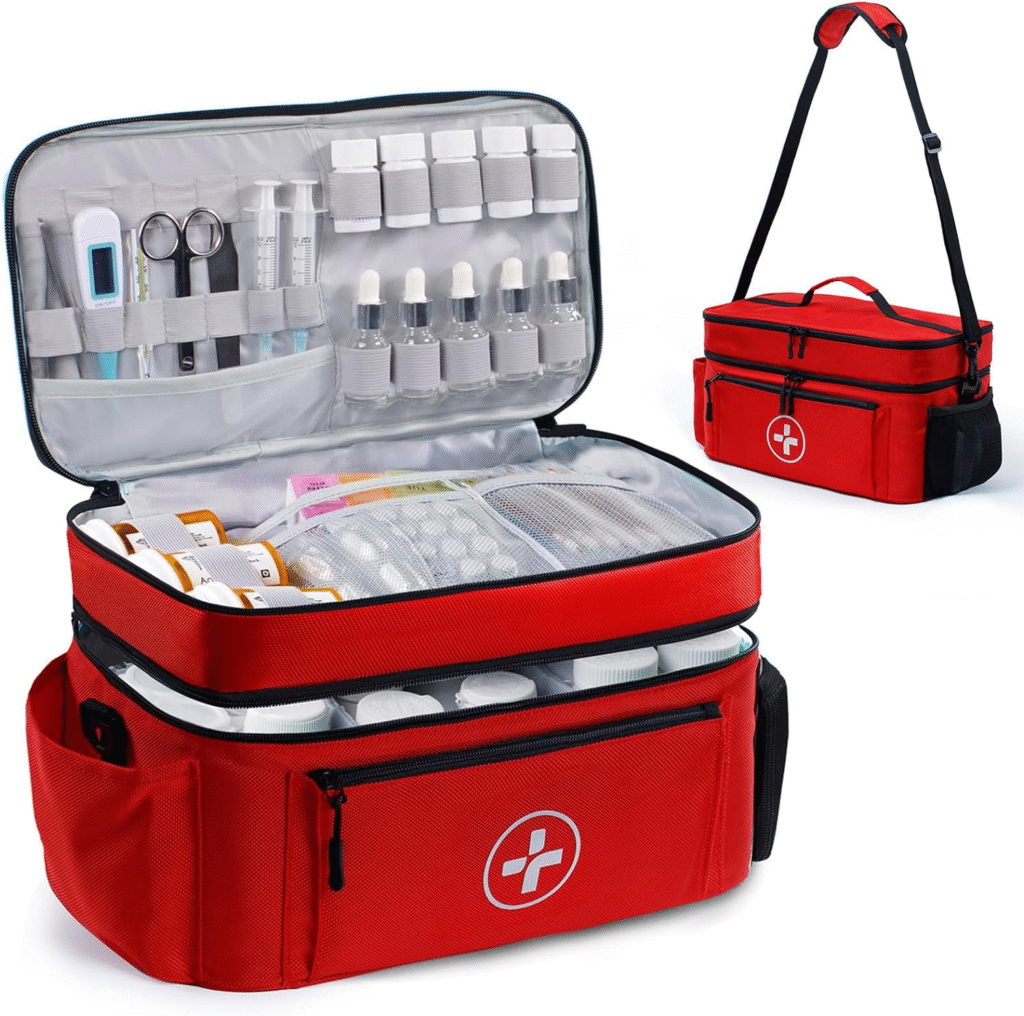
A Kit Container
This can be any hard plastic storage container or a kit pouch spacious enough to fit in all the essentials.
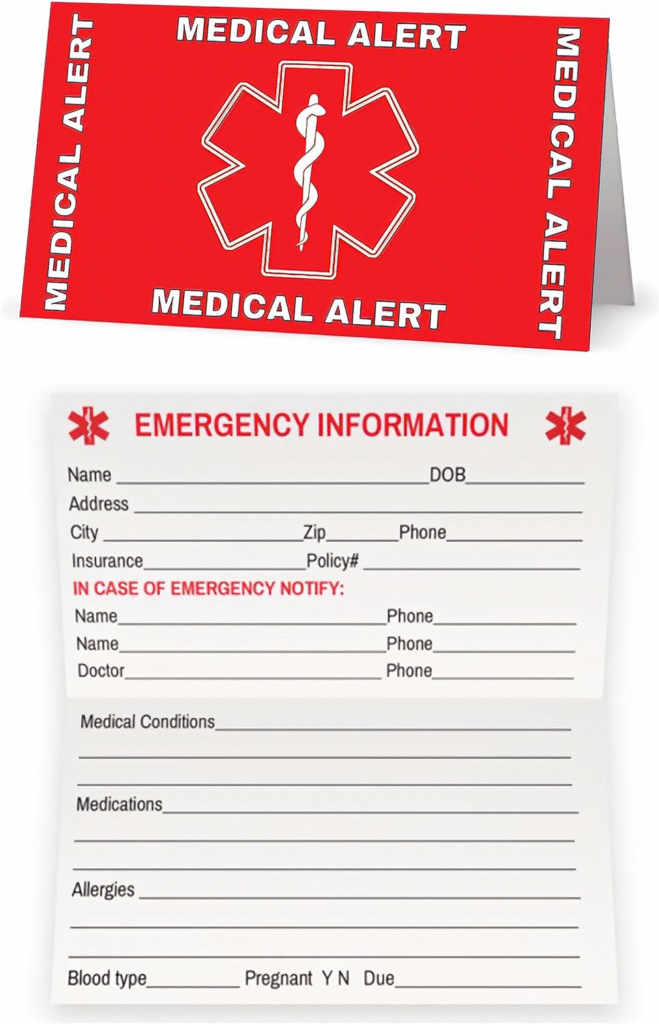
2. Emergency Contact ID with Medical Card
Your DIY dog first aid kit must contain a card with your contact details and other health details concerning your doggo.
This includes food they are allergic to, health issues they have (if any), the contact number of their vet, and other necessary information you wish to input.
Tweezers
I have never met any dog without that detective instinct. Mine would try to check out everything he finds around when we are walking at the beach. He had the awful experience of splinters getting in his paws a few times. Dang! It is time to look for tweezers now. So, a tweezer is the next essential piece in any dog first aid kit. You can also use the tweezer to remove ticks or pieces of any other unwanted things from your dog’s paw, like pieces of glass, small rocks, and more.
Styptic Powder
For any cuts or minor injuries your dog encounters, cleaning the wounded area, followed by proper dressing, is essential. Say, like a quicked nail that doesn’t stop bleeding, clean the area with a disinfected cloth or swab, apply some styptic powder, and warp a bandage around the wound to stop bleeding.
Scissor with Blunt-end
You will need scissors to cut and re-size the gauze bandage or other dressing items like adhesive tapes. However, with pets, vets recommend having a scissor with a blunt end in the dog first aid kits instead of ones with sharp ends. Because you never know when your dog might flick while dressing the wound and trying to size the bandage. The aim is to ease their pain, not make it severe.
Digital Thermometer
Here, I am talking of digital thermometers just for pets. The ones we use won’t work with our four-legged kids. Digital aural thermometers for pet use are inserted into their ear canals. Ensure they are close enough to the eardrum for an accurate reading. Each dog breed differs from the other, as is the shape of their ear canals. This is why the digital temperatures on the thermometer are not precise every time. In addition, there is ear wax, ear hair, and debris that can affect the accuracy.
Benedryl
Benedryl is a very effective medicine that can help your dog fight the effects of any allergy, including food allergies, seasonal allergies, environmental allergies, as well as allergic reactions resulting from insect bites.
Adhesive Tape
Adhesive tapes are another essential part of a first aid kit for dogs when it comes to putting a bandage on any wound your doggo encounters.
Remember, these tapes are different than the ones used for wrapping packages.
Gauze Bandage
A gauze bandage is required for wounds that need enough covering and protection and for absorbing blood or any other secretion.
Cotton balls
Before you go ahead with any dressing on the wound, you would need to clean it well. Vets recommend cleaning open wounds with pet-friendly disinfectant, where the use of cotton balls comes into play. A cotton ball and adhesive tape layering can also protect minor wounds.
Cotton pads
Just like cotton balls, cotton balls also find use in dressing wounds. Most often, they are used to prevent bleeding and cover minor punctures resulting from vaccines.
Clean Cloth
A bunch of clean clothes is my first must-have item in a dog first aid kit. Even when I run out of cotton balls or bandages, having a few clean clothes is enough for cleaning any wound and offering my dog the primary treatment.
Antiseptic Wipes
Stock some antiseptic wipes in your dog first aid kit to clean and prevent any infection from developing on any open wound.
Oral Syringe
Needless to say, we all know how difficult it is to make our furry friends gulp those medicines. An oral syringe or a turkey baster is of great help here. Other reasons are flushing their eyes or cleaning a wound to prevent infection.
Disposable Gloves
You should never monitor medicines for your pet or clean open wounds without washing your hands with a disinfectant. However, this may not always be possible when hiking with your dog or sunbathing at the beach. No worries, keep some disposable gloves handy in the dog first aid kit to ease the situation and offer your doggo any emergency medical attention.
Antibiotic Ointment
Between cleaning the wound with rubbing alcohol and covering it with a protective dressing, there is a step involving the application of a good antibiotic ointment. Consult your vet to know which antibiotic ointment is best for your dog. Here is a link to what I use for my pooch.
Muzzle
Ofcourse, that goes right there in my DIY dog first aid kit because I know how sensitive my dog is to wounds, dressing, and injections. The first step I follow before starting with the first aid process is putting the muzzle on my dog to prevent myself and others from any unwanted incidents.
P.S.: My dog is obedient, but safety always comes first for me.
Leash
And the last one but not least is a good sturdy leash. Though a leash is a must-have accessory, you should make your pooch wear it whenever stepping out of the house; in case you are in a pet-safe zone where it is okay for your dog to be off-leash, make sure there is one in the dog first aid kit you are carrying.
Wrapping Up
As you take suggestions from this blog to make a first aid kit for dogs, I wish you never have to use it, and may your four-legged baby always stay happy, healthy, and blessed. However, it is hard to say what the future holds for any of us. Hence, safety comes first and should always be your concern when traveling anywhere in a different city or state with your dog, where pet medical facilities can be scarce. Make sure to keep your dog’s essentials, including food and supplies, water, and the first kit aid, making it easy to access in need.
And if I am missing out on something that should be there in my dog’s first aid kit, feel free to mention it in the comment section right there. ⬇️
FAQs
Is it worth carrying a dog first aid kit?
Hope for the best, but prepare for the worst. If you follow this statement, carrying a dog first aid kit is always a good idea. Emergencies can come without notifications, and when going outdoors for a trip with your doggo, it is recommended to keep a dog first aid kit handy.
Can I use antiseptic for dog?
Yes, you can use any vet-recommended antiseptic ointment or spray on a wound your dog has encountered. Antiseptics are meant to prevent infections and other severities. But cover it with a bandage so your furry kid doesn’t get to lick it off.
Should I use rubbing alcohol on my dog?
Rubbing alcohol should not be administered on your dog’s skin without professional supervision from your dog’s vet. Dogs who have accidentally ingested rubbing alcohol or isopropyl alcohol revealed symptoms like vomiting, imbalance, incoordination, and even seizures and respiratory depression in severe cases.
